Heating Historic Buildings: Choosing the Right System for Characterful Properties

Tina Hart Preto • April 11, 2025

At HARNCE, we have an enviable reputation for our experience in working with historic buildings. From churches to farmhouses, to museums and county buildings we specialise in heating solutions for homes and community buildings with heritage and heart. 


With these properties, many have heating systems which are larger than your regular domestic building, so our team have the expertise to maintain and install commercial-sized systems as well as smaller domestic boilers.
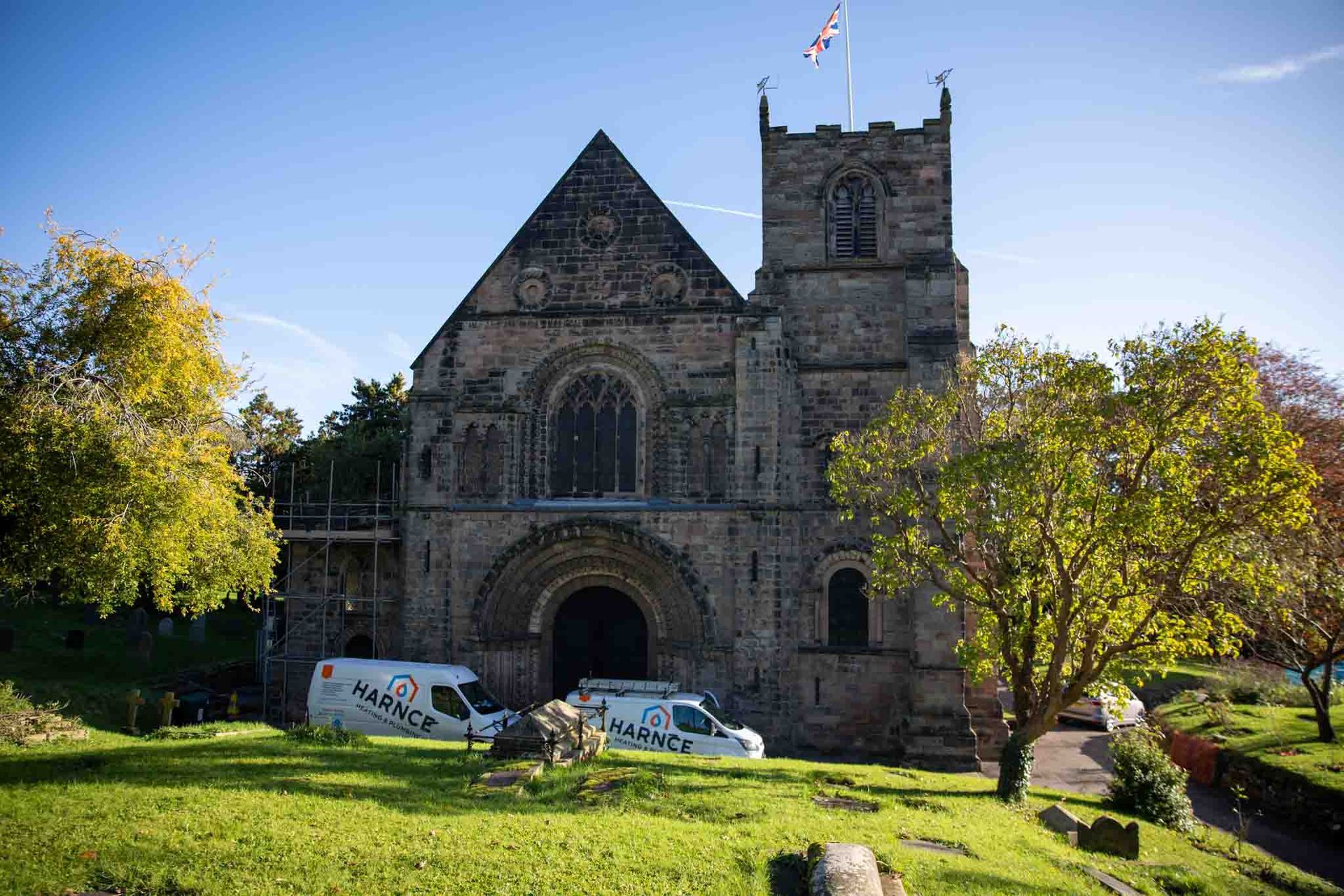

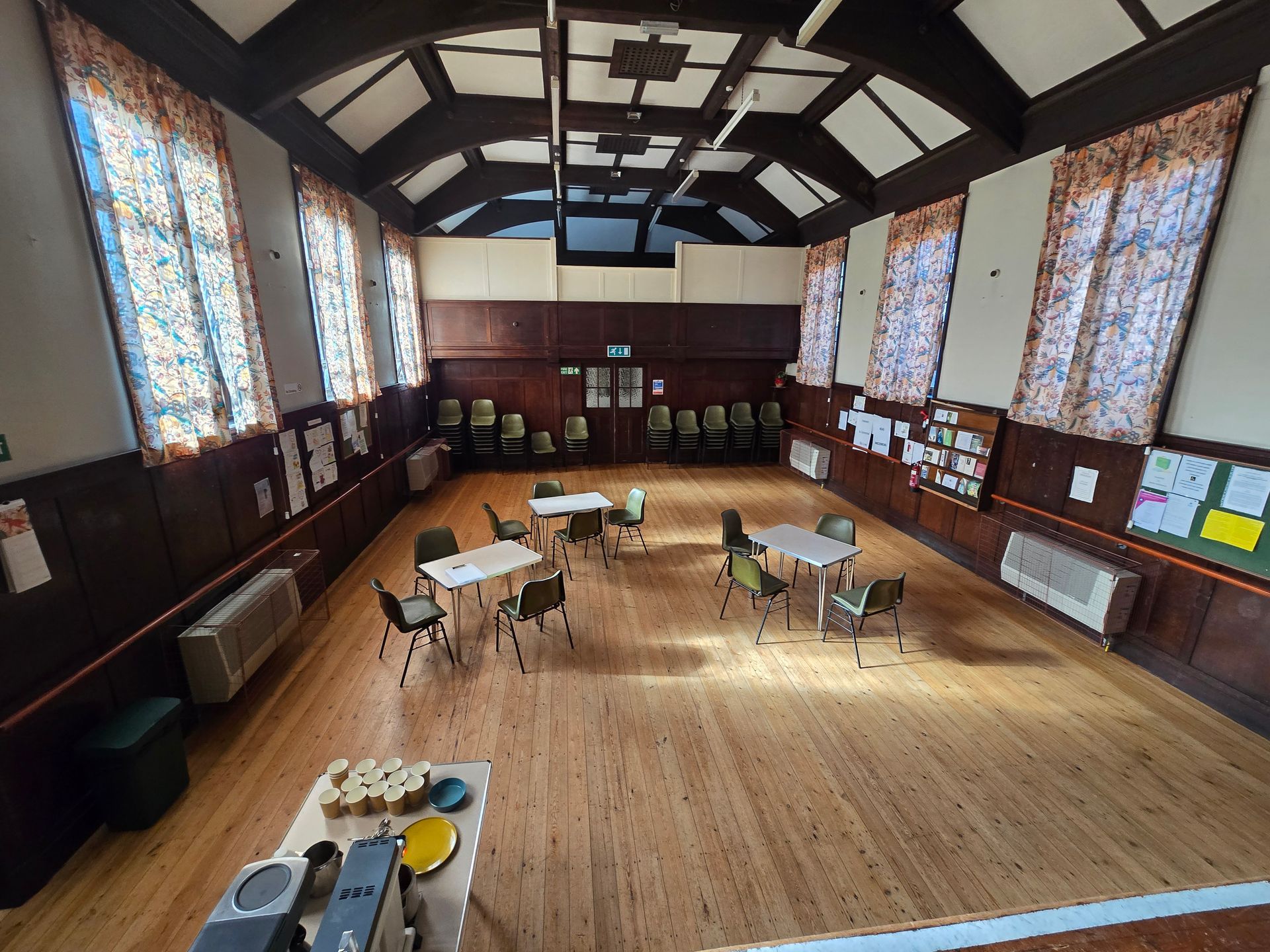
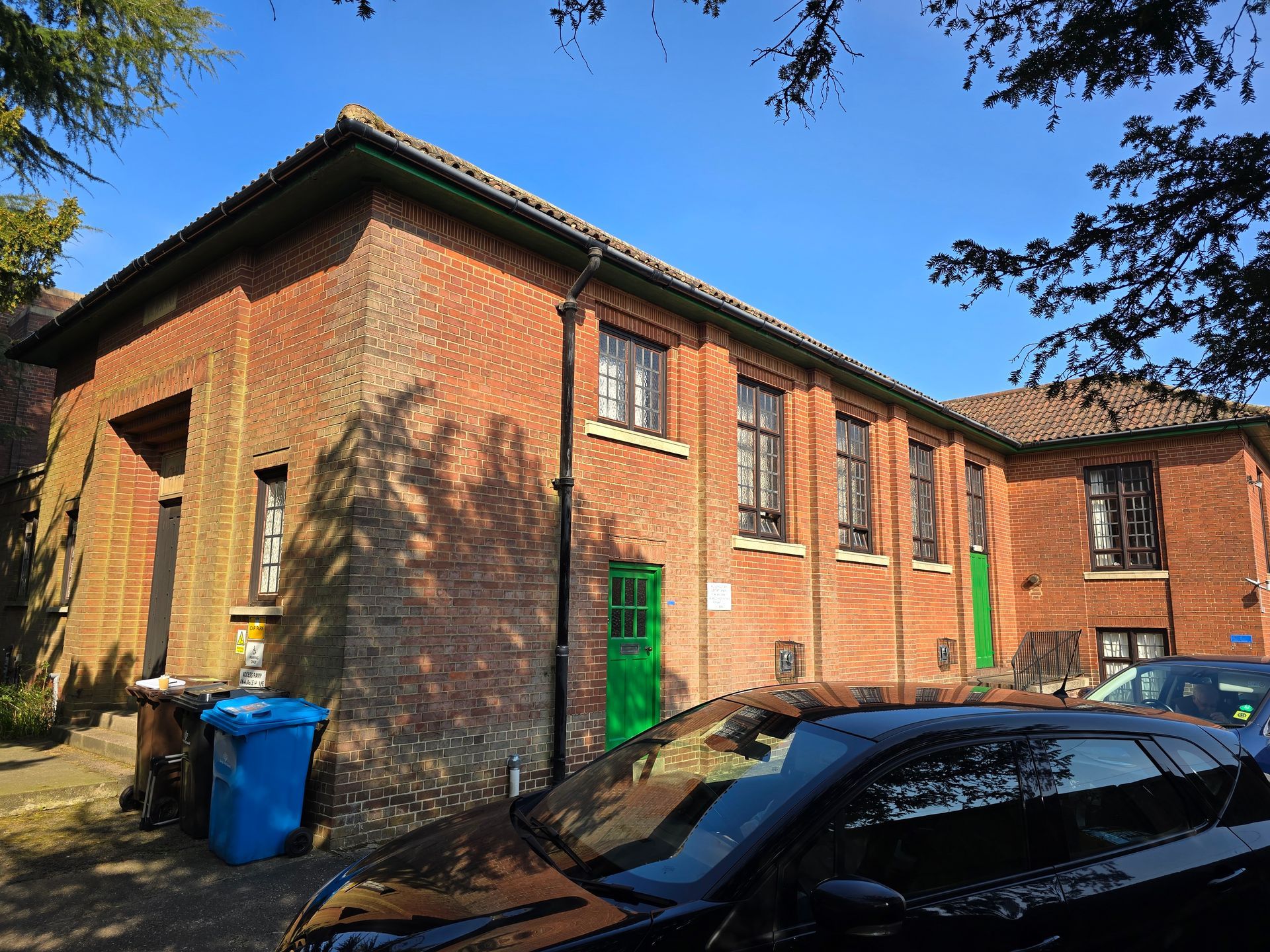
Whether it’s a 19th-century chapel in Rugeley, a Georgian rectory in Lichfield, or a village hall in Tamworth, we know that heating older buildings requires care, knowledge, and respect for tradition.


If you live or work in a listed property around areas like Walsall, Cannock, Lichfield, Burton upon Trent or Sutton Coldfield, this guide is for you.


Understanding the Challenges of Heating Historic Buildings


Unlike modern homes, many period properties were built long before central heating. They often feature:

  • Solid stone or brick walls with no cavity insulation
  • Original timber windows with limited draught-proofing
  • Large open spaces with high ceilings
  • Stone or flagstone flooring
  • Conservation restrictions on structural changes


Installing an effective heating system in such buildings involves balancing comfort, efficiency, and heritage preservation — and that’s exactly what we do at HARNCE.


Which Heating System is Right for Your Building?


Let’s explore the most suitable options for heating listed and older properties, with insights based on our hands-on work across Staffordshire and the West Midlands.


Traditional Gas Boilers – Still a Solid Choice

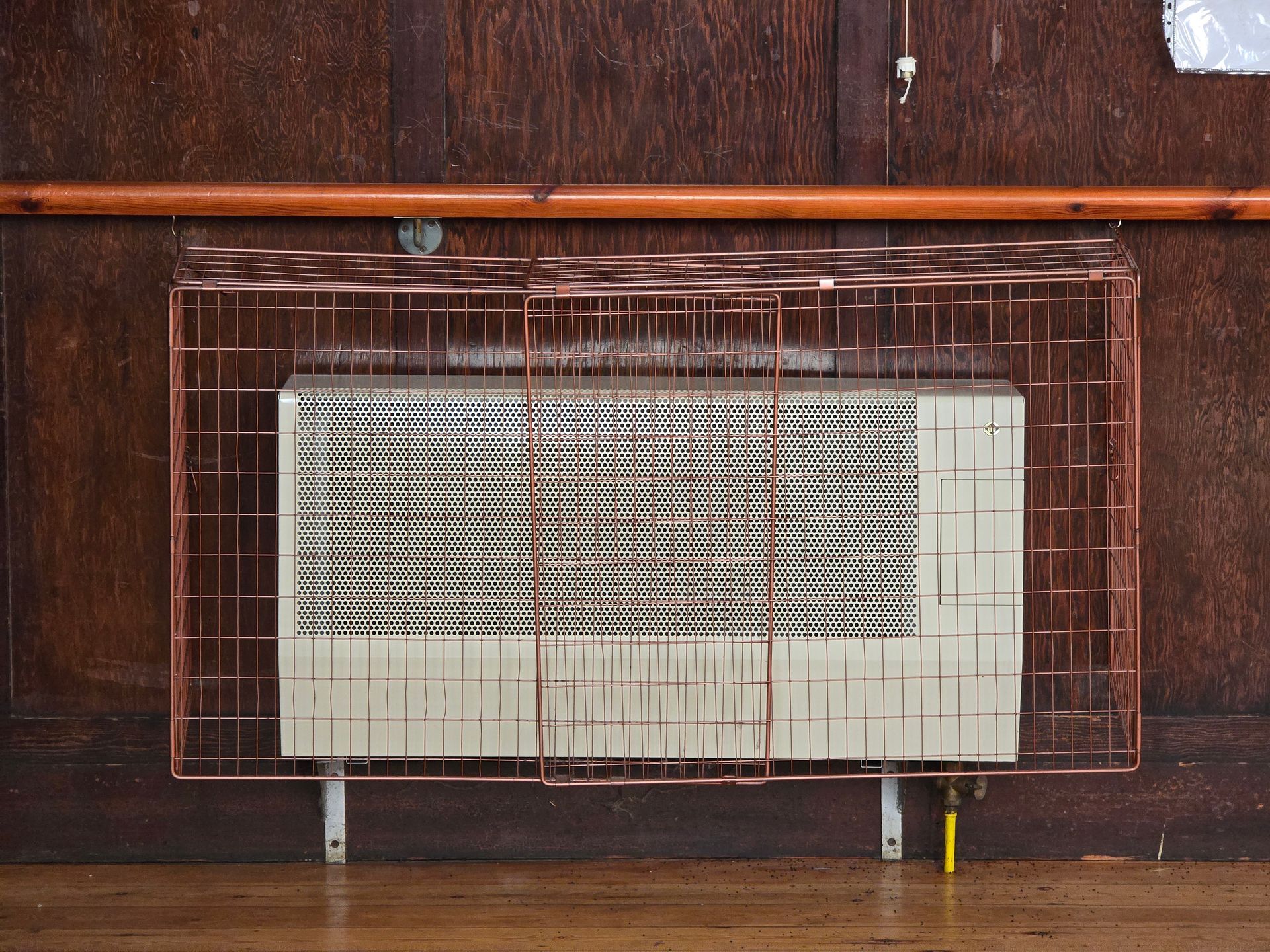
Many older buildings still rely on gas-fired systems, and in many cases, replacing a failing boiler with a modern condensing gas boiler is both practical and cost-effective. These newer models offer improved efficiency without radically altering the layout of existing systems.


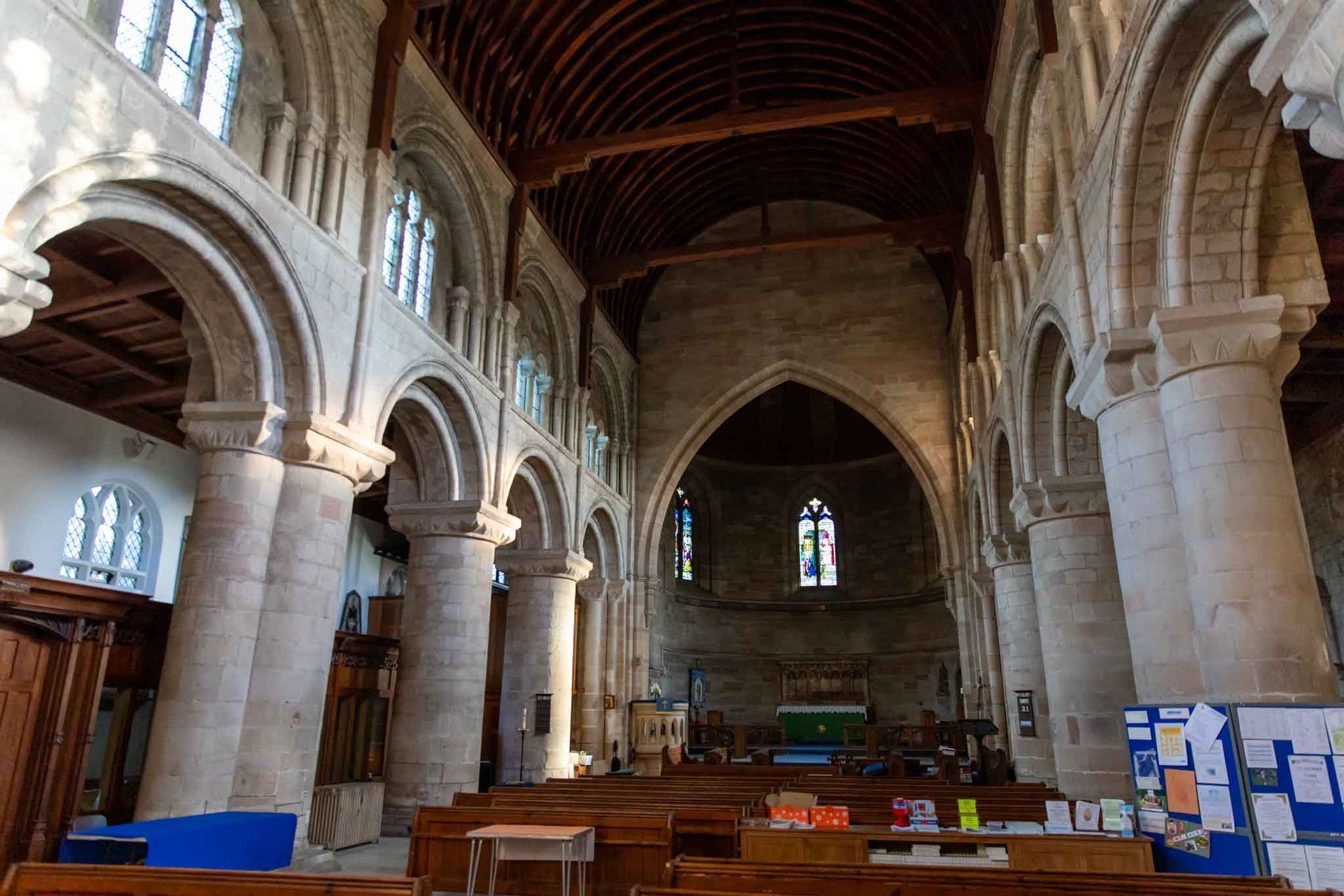
We recently helped a local church upgrade a 250kWh gas boiler that had been in place for decades. The new system was relocated out of a flood-prone cellar, with pipework rerouted through a historic stone floor — preserving both the integrity and function of the space.


Read more in our St Mary’s Church, Tutbury case study
 

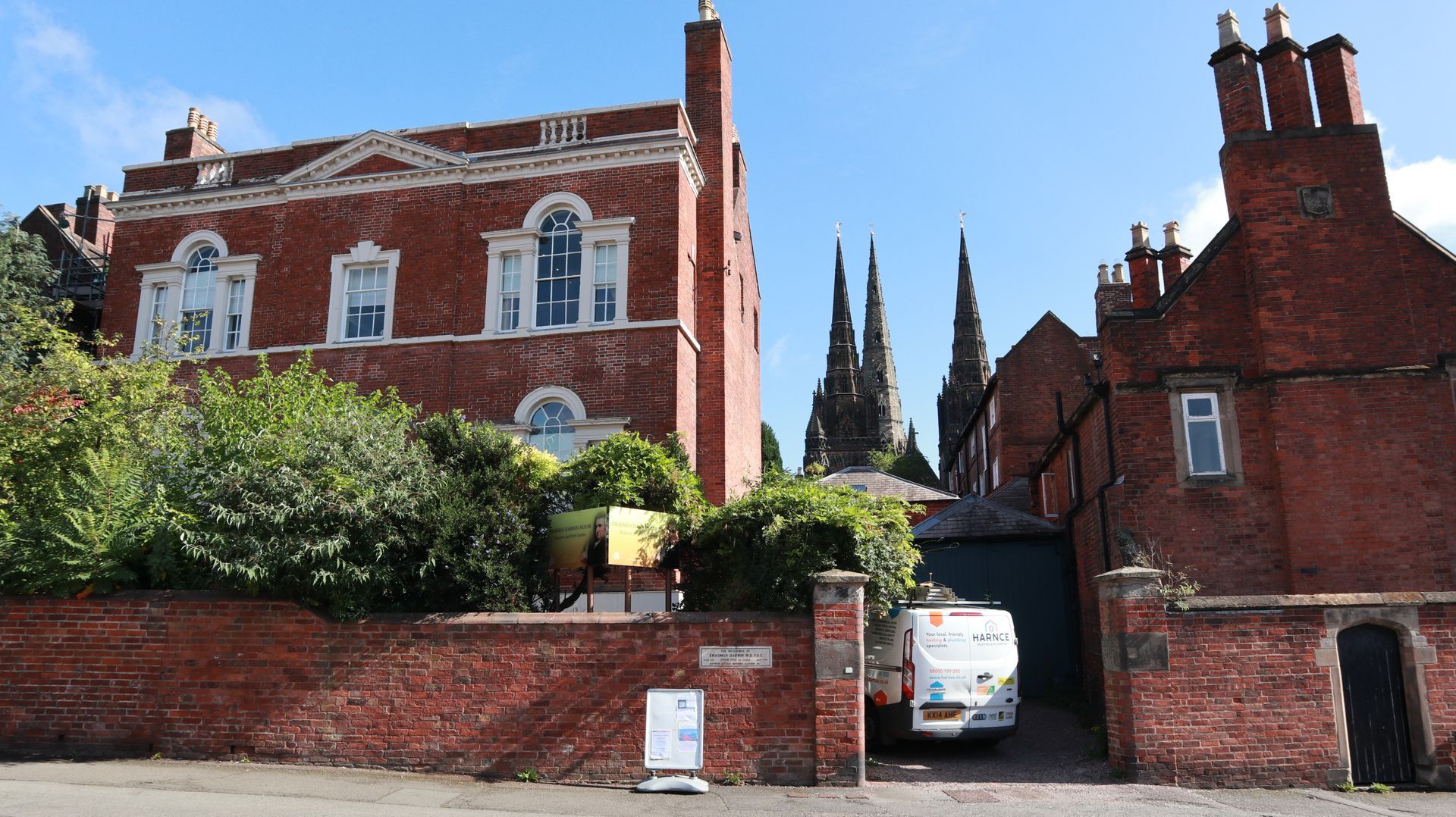
In another project, we worked with Erasmus Darwin House — a Grade I listed museum in the heart of Lichfield — where two failing boilers threatened the comfort of staff and visitors. We installed modern, high-efficiency replacements, all while adhering to conservation requirements and operating within the sensitive setting of this Georgian property.

View our Erasmus
Darwin House case study


Oil-Fired Heating – Ideal for Off-Grid Locations


In rural villages such as Yoxall, Abbots Bromley or Fradley, oil is often the main heating fuel. Modern oil boilers can now rival gas systems in terms of efficiency. We frequently install or replace oil tanks (including bunded options), and carefully route pipework to comply with OFTEC regulations and conservation requirements.


Our engineers also handle oil tank removals and replacements with minimal disruption — ideal for country homes or churches surrounded by sensitive landscaping or memorial grounds.

Read more in our St Mary’s Church, Rolleston case study


LPG – A Flexible Alternative for Hard-to-Access Properties

Where neither gas nor oil is viable — such as in some remote areas around Alrewas or Hammerwich — LPG provides a clean and efficient alternative. It offers the same familiarity as a gas system but can be delivered via above-ground or underground tanks.


We’re often called in to update old LPG setups that are leaking, poorly sited or non-compliant. Our upgrades not only improve efficiency but also enhance safety and ease of use.


Underfloor Heating – Considerations for Heritage Homes

Underfloor heating is growing in popularity, but it must be approached with caution in older properties. Lifting historic flagstones or timber floors requires delicate handling — and specialist knowledge to ensure reinstatement that respects the original layout and materials.


In one of our recent church projects, we carefully lifted and reinstated original stone flags to allow for heating circuit upgrades. This type of work requires detailed planning and often coordination with conservation officers. 


See our Derby New Church project for more
Infrared Heating Panels – Discreet and Effective

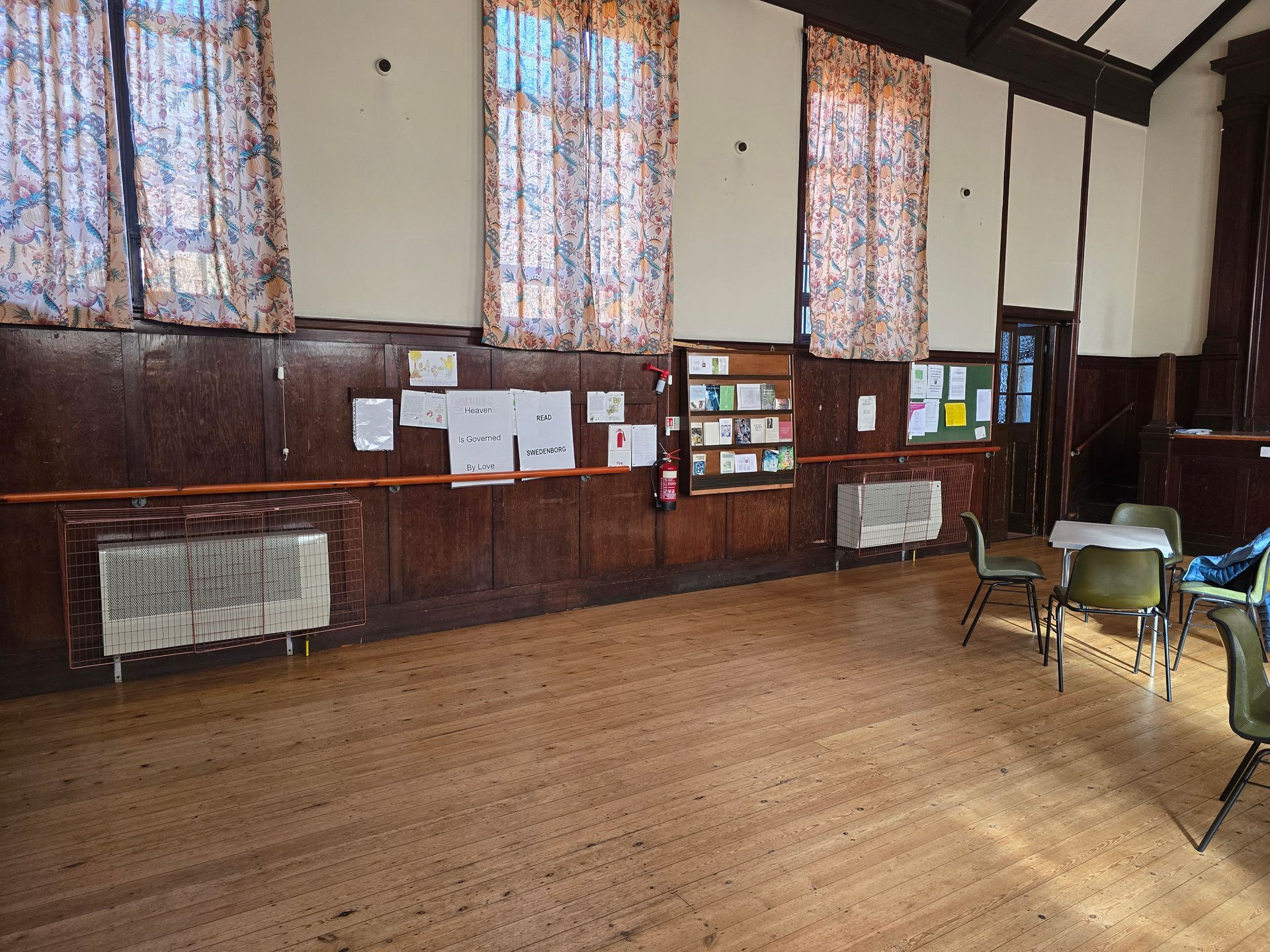
For spaces where radiators or wet systems aren't practical, infrared panels can be a simple, low-impact solution. Mounted high on walls or ceilings, they heat people and objects directly rather than the air — ideal for sporadically used community spaces like chapels, meeting rooms, or converted barns.


Heat Pumps – A Sustainable Option (With Caveats)

Air-source or ground-source heat pumps are frequently recommended for low-carbon heating. However, they’re not always suitable for historic buildings due to:


High installation costs


Poor compatibility with draughty, poorly insulated interiors


The need for large radiators or underfloor systems to be effective


Where viable, we’ll assess your property thoroughly and advise if a hybrid solution (such as a heat pump with a backup boiler) might work better.


Our Approach at HARNCE

We work across a 30-mile radius from our base in WS13, covering Lichfield, Burntwood, Brownhills, Aldridge, Tamworth, Burton and surrounding towns and villages. Whether it’s a rural farmhouse, listed chapel, or heritage school, we follow a methodical, respectful approach:

  • Full site assessment
  • Options tailored to your building's structure and restrictions
  • Close coordination with conservation officers (where needed)
  • Discreet routing of pipework and minimal visible impact
  • Clear communication and tidy, respectful workmanship


Thinking About Upgrading Your Heating?

If you’re unsure whether your old boiler is up to the job or you're considering a more energy-efficient option, speak to the experts. We’ll help you weigh up costs, practicality, and conservation constraints — all while keeping your building warm and protected.


Explore some of our recent projects:


Derby New Church St Mary’s Church, Tutbury

Serving historic homes and public buildings across Lichfield, Cannock, Rugeley, Tamworth, Walsall, Sutton Coldfield, Burton upon Trent and beyond.


Ready for a warmer future without compromising your building’s past?


Get in touch with HARNCE Heating and Plumbing today for a free consultation or site visit.


Tapping into Talent - Capture 24 Photography
By Mathew Hance January 30, 2026
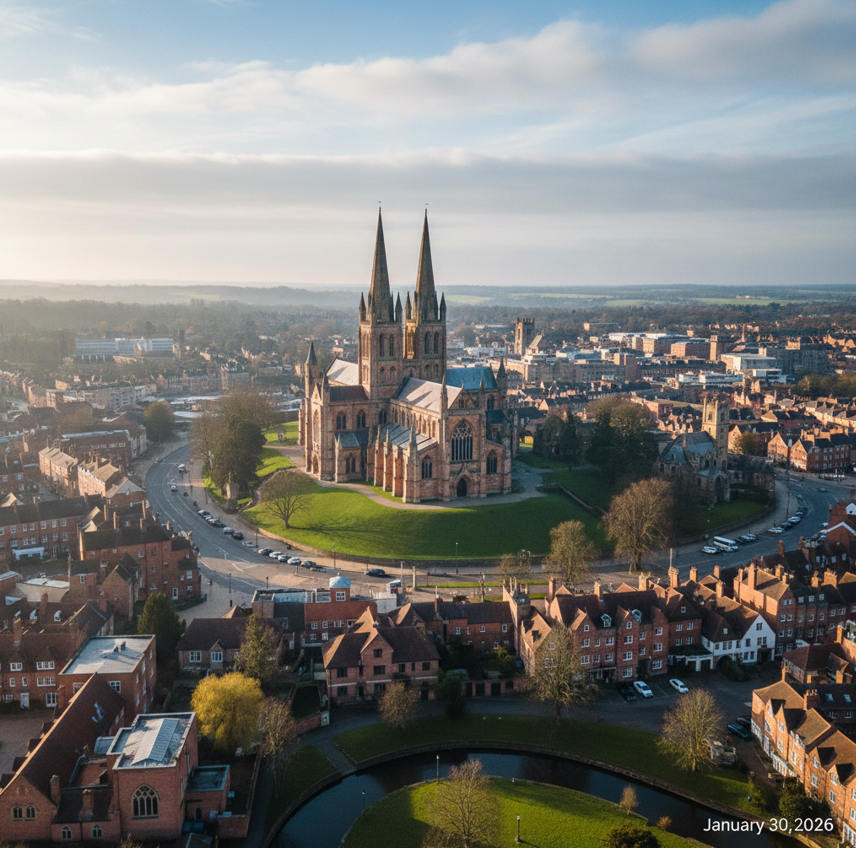
I run HARNCE, a heating and plumbing business working across Lichfield and the surrounding areas. I wrote this because the local conversation about housebuilding often feels like two sides shouting past each other. On one side, plenty of residents feel there is already too much development. They worry about congestion, pressure on services, and the place feeling less like the Lichfield they recognise. On the other side sits a quieter reality. The planning machinery keeps moving. Current Local Plan work references an increased housing requirement of 745 dwellings per year . ( democracy.lichfielddc.gov.uk ) The Council’s latest five-year housing land supply document also sets out the Local Housing Need at 746 dwellings per annum . ( Lichfield District Council ) That number is the part that matters for my trade. Not because it proves a political point, but because it implies a large and continuous flow of new homes, and therefore a large and continuous flow of new heating and hot water systems being installed, commissioned, and handed over. The uncomfortable truth I keep seeing in “brand new” homes New homes often look immaculate. Fresh paint, clean bathrooms, shiny controls on the wall. But the heating system sits behind cupboard doors and boxing, and the handover tends to focus on the obvious snags. We are attending more and more new homes where the heating and hot water setup is simply not right for the property, or not installed and commissioned to a standard that matches what buyers reasonably expect. In the real world, that often shows up as: Rooms heating unevenly, or one part of the house lagging behind Hot water performance that does not match household routines Controls that are confusing, poorly configured, or left in generic settings Running costs that feel out of step with what “efficient” was supposed to mean Ventilation treated as an afterthought, increasing damp and mould risk over time Some of this is design choice. Some of it is rushed installation. A lot of it comes down to commissioning and setup, which is the least glamorous part of a build, and one of the most important. Why this matters now, not later Nationally, gas remains dominant. The English Housing Survey reports that 86% of households used a gas-fired main heating system in 2023 to 2024 . ( GOV.UK ) So even if you are not trying to be “green”, most homes still depend on how well a gas system is designed, installed, and maintained. At the same time, households are still sensitive to energy costs. Ofgem’s price cap for 1 January to 31 March 2026 is £1,758 per year for a typical dual-fuel household paying by Direct Debit. ( Ofgem ) Then add the direction of travel on decarbonisation. The Climate Change Committee notes that only 13% of new builds completed in 2024 had a heat pump, while 71% still had a fossil fuel boiler. ( Climate Change Committee ) Whether you like that or not, it suggests many new homes are still being built around choices that could become expensive to change later. Finally, comfort is no longer just a winter topic. A House of Commons Environmental Audit Committee report highlights that millions of UK homes experience summertime overheating and points to the challenge of heat resilience in homes. ( UK Parliament Committees ) If homes get tighter to reduce heat loss, ventilation and design choices start to matter more, not less. My practical point for buyers: treat heating like a surveyable risk If you are buying a new home, a plumbing and heating survey can be a simple way to reduce unpleasant surprises. Ours can cost as little as £90 , and it can be used to identify issues early, while you still have leverage to get them corrected. A focused survey can help you answer basic questions that often get skipped in the excitement of a new purchase: Is the system sized appropriately for the property and likely demand Is there evidence of proper commissioning and quality checks Are controls set up to run efficiently, or simply left on default Is the hot water setup realistic for how people live, not just how brochures read Are ventilation provisions sensible for moisture-heavy rooms If you want to see what we check, it is here: Pre-Purchase Plumbing Surveys If you want a planned approach rather than reactive call-outs, these pages may help: Boiler Servicing and Heating Maintenance HARNCE Homeowner Club Membership Closing thought People may disagree about whether Lichfield should be building at this pace. That debate is not going away. But if hundreds of homes a year are being delivered, the least we can do is raise the standard of the parts buyers have to live with every day. Build numbers may dominate headlines. Heating quality tends to show up later, in cold corners, confusing controls, and bills that do not feel fair. Those are avoidable outcomes, and they start with asking better questions, earlier.  References Lichfield District Council, Cabinet Report April 2025, Local Plan Update (PDF). ( democracy.lichfielddc.gov.uk ) Local Plan Update Cabinet report (April 2025) Lichfield District Council, Five Year Housing Land Supply 2025 (PDF). ( Lichfield District Council ) Five Year Housing Land Supply 2025 GOV.UK, English Housing Survey 2023 to 2024: Low carbon technologies fact sheet. ( GOV.UK ) EHS low carbon technologies 2023 to 2024 Climate Change Committee, Progress in reducing emissions: 2025 report to Parliament. ( Climate Change Committee ) CCC progress report 2025 Ofgem, Energy price cap explained (Q1 2026 figure). ( Ofgem ) Ofgem energy price cap explained House of Commons Environmental Audit Committee, Heat resilience and sustainable cooling (PDF). ( UK Parliament Committees ) Heat resilience and sustainable cooling report
By Kristen Lackajis January 28, 2026
If you’re a landlord, you need to meet legal requirements regarding gas safety to keep your tenants safe.
By Kristen Lackajis January 27, 2026
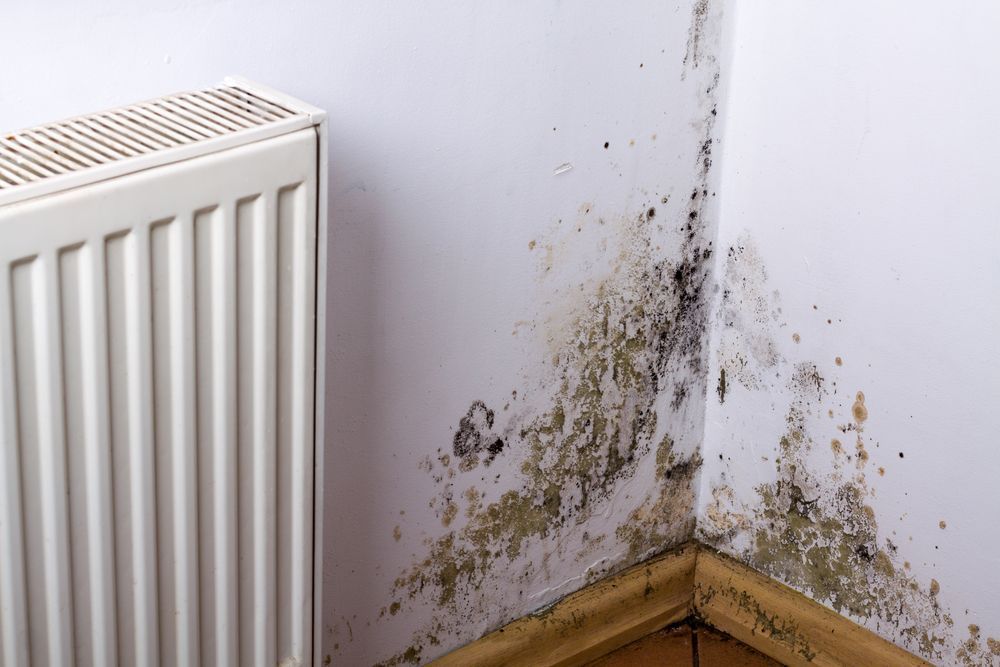
Living in a mould-infested environment isn't just uncomfortable - it's dangerous!
By Kristen Lackajis December 19, 2025
A few quick fixes to try if your boiler cuts out over the festive period!
By Kristen Lackajis November 13, 2025
Quick and easy ways to keep the cold out this winter!
By Kristen Lackajis November 13, 2025
The months of November to February are the busiest for UK plumbers!
By Tina Hart Preto October 6, 2025
An annual boiler service is so much more than just a tick box – it’s an essential household maintenance task, and there’s never been a better time to book in to get it done! The autumn months are the ideal time to have your boiler serviced as it ensures that your system is running safety and efficiently ahead of the colder months, which helps prevent a heating breakdown when you most need a warm home. September/October is also a great time as it beats the winter rush for busy engineers, and can also help keep your energy costs down as your boiler and heating system will be running at its maximum efficiency. At Harnce Heating and Plumbing, we’re only ever a phone call away and our team of dedicated, gas certified engineers are committed to ensuring your home is safe, warm and as cost effective as it can possibly be. Signs You Need A Boiler Service: Radiators are taking longer to heat up or not getting up to temperature Boiler is making funny noises Low system pressure Boiler pilot light goes out frequently Boiler locking out or showing fault codes on panel You’ve moved into a new property and don’t know the last service date It has been 12 months or longer since your last boiler service Whether you require a one-off service, or regular maintenance through our popular Members’ Club subscription, Harnce is always on-hand to help. Contact the office on 01543 330 555 or book online via the website www.harnce.co.uk. Find out more about our Members’ Club benefits at www.harnce.co.uk/membersclub .
By Tina Hart Preto June 19, 2025
As a community focused business, we love working with exceptional local talent and supporting other family businesses, like ourselves.
By Tina Hart Preto May 30, 2025
As a community focused business, we love working with exceptional local talent and supporting charities wanting to good for our community 
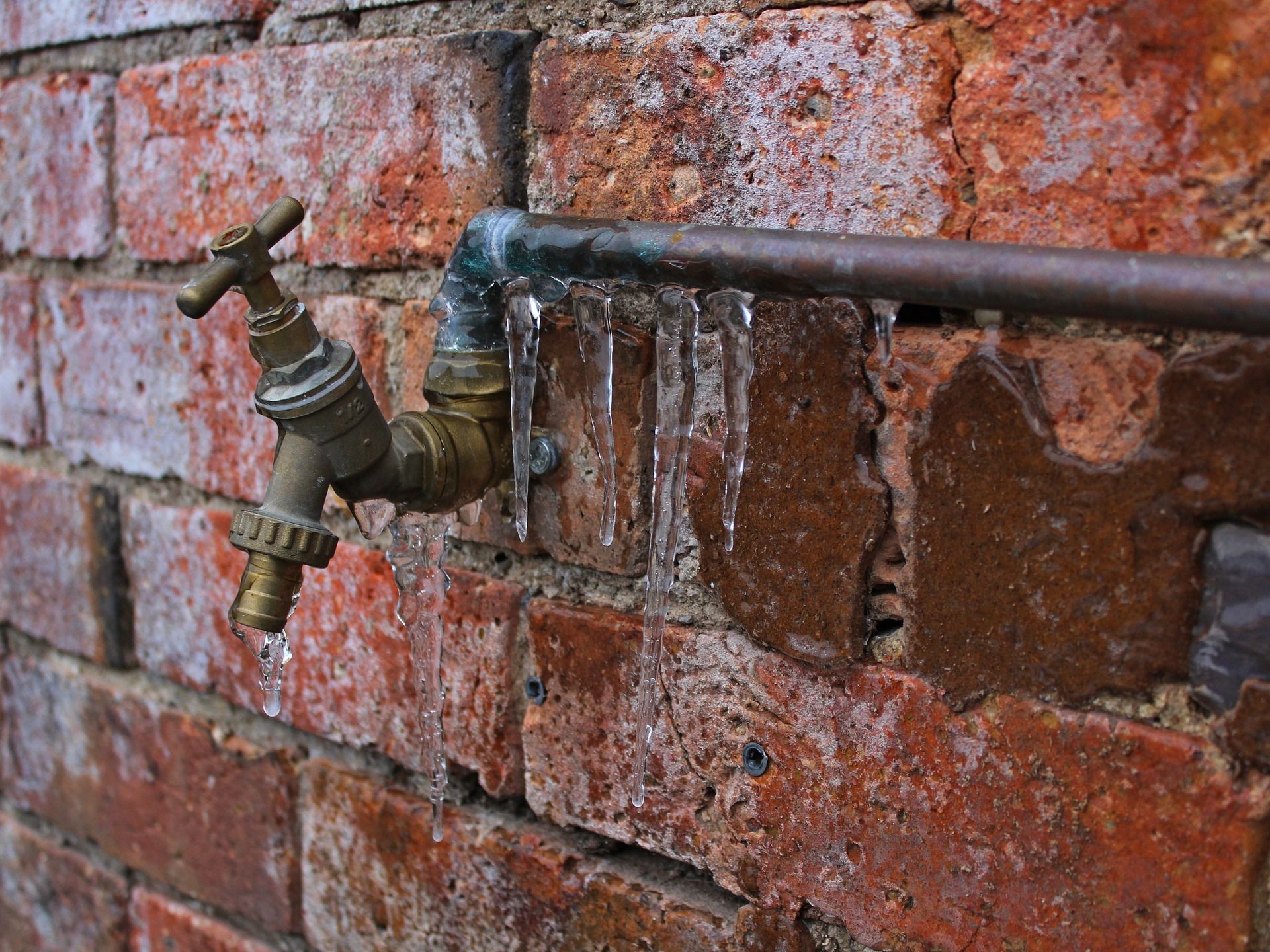
Photo of a burst pipe.
By Tina Hart Preto May 8, 2025
Plumbing and heating issues always strike at the worst times. Here’s how HARNCE helps you stay calm, confident, and covered—no matter when it happens.