By Mathew Hance
•
January 30, 2026
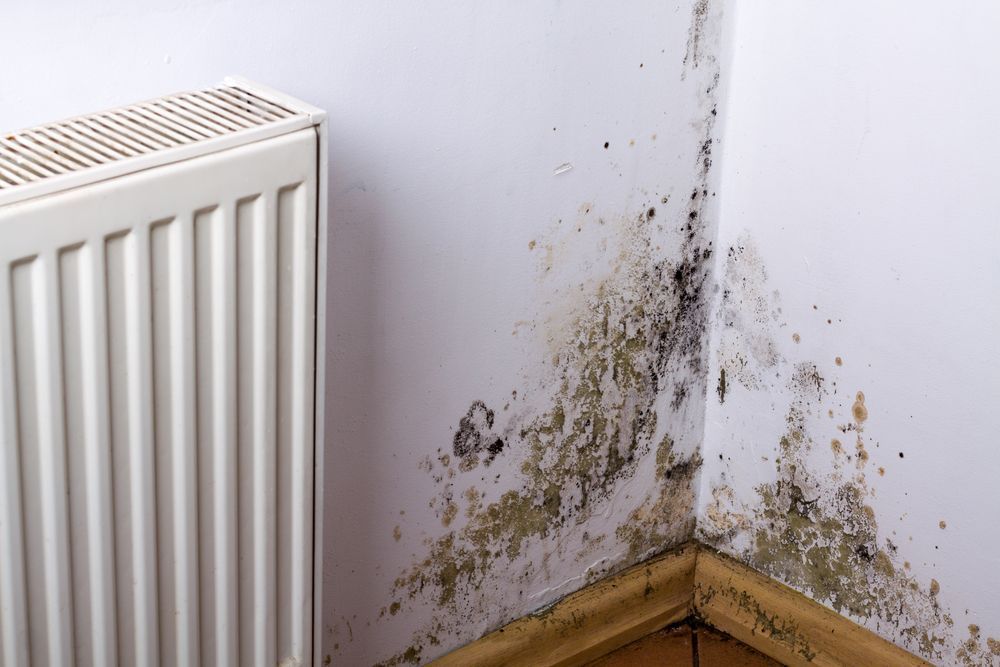
I run HARNCE, a heating and plumbing business working across Lichfield and the surrounding areas. I wrote this because the local conversation about housebuilding often feels like two sides shouting past each other. On one side, plenty of residents feel there is already too much development. They worry about congestion, pressure on services, and the place feeling less like the Lichfield they recognise. On the other side sits a quieter reality. The planning machinery keeps moving. Current Local Plan work references an increased housing requirement of 745 dwellings per year . ( democracy.lichfielddc.gov.uk ) The Council’s latest five-year housing land supply document also sets out the Local Housing Need at 746 dwellings per annum . ( Lichfield District Council ) That number is the part that matters for my trade. Not because it proves a political point, but because it implies a large and continuous flow of new homes, and therefore a large and continuous flow of new heating and hot water systems being installed, commissioned, and handed over. The uncomfortable truth I keep seeing in “brand new” homes New homes often look immaculate. Fresh paint, clean bathrooms, shiny controls on the wall. But the heating system sits behind cupboard doors and boxing, and the handover tends to focus on the obvious snags. We are attending more and more new homes where the heating and hot water setup is simply not right for the property, or not installed and commissioned to a standard that matches what buyers reasonably expect. In the real world, that often shows up as: Rooms heating unevenly, or one part of the house lagging behind Hot water performance that does not match household routines Controls that are confusing, poorly configured, or left in generic settings Running costs that feel out of step with what “efficient” was supposed to mean Ventilation treated as an afterthought, increasing damp and mould risk over time Some of this is design choice. Some of it is rushed installation. A lot of it comes down to commissioning and setup, which is the least glamorous part of a build, and one of the most important. Why this matters now, not later Nationally, gas remains dominant. The English Housing Survey reports that 86% of households used a gas-fired main heating system in 2023 to 2024 . ( GOV.UK ) So even if you are not trying to be “green”, most homes still depend on how well a gas system is designed, installed, and maintained. At the same time, households are still sensitive to energy costs. Ofgem’s price cap for 1 January to 31 March 2026 is £1,758 per year for a typical dual-fuel household paying by Direct Debit. ( Ofgem ) Then add the direction of travel on decarbonisation. The Climate Change Committee notes that only 13% of new builds completed in 2024 had a heat pump, while 71% still had a fossil fuel boiler. ( Climate Change Committee ) Whether you like that or not, it suggests many new homes are still being built around choices that could become expensive to change later. Finally, comfort is no longer just a winter topic. A House of Commons Environmental Audit Committee report highlights that millions of UK homes experience summertime overheating and points to the challenge of heat resilience in homes. ( UK Parliament Committees ) If homes get tighter to reduce heat loss, ventilation and design choices start to matter more, not less. My practical point for buyers: treat heating like a surveyable risk If you are buying a new home, a plumbing and heating survey can be a simple way to reduce unpleasant surprises. Ours can cost as little as £90 , and it can be used to identify issues early, while you still have leverage to get them corrected. A focused survey can help you answer basic questions that often get skipped in the excitement of a new purchase: Is the system sized appropriately for the property and likely demand Is there evidence of proper commissioning and quality checks Are controls set up to run efficiently, or simply left on default Is the hot water setup realistic for how people live, not just how brochures read Are ventilation provisions sensible for moisture-heavy rooms If you want to see what we check, it is here: Pre-Purchase Plumbing Surveys If you want a planned approach rather than reactive call-outs, these pages may help: Boiler Servicing and Heating Maintenance HARNCE Homeowner Club Membership Closing thought People may disagree about whether Lichfield should be building at this pace. That debate is not going away. But if hundreds of homes a year are being delivered, the least we can do is raise the standard of the parts buyers have to live with every day. Build numbers may dominate headlines. Heating quality tends to show up later, in cold corners, confusing controls, and bills that do not feel fair. Those are avoidable outcomes, and they start with asking better questions, earlier. References Lichfield District Council, Cabinet Report April 2025, Local Plan Update (PDF). ( democracy.lichfielddc.gov.uk ) Local Plan Update Cabinet report (April 2025) Lichfield District Council, Five Year Housing Land Supply 2025 (PDF). ( Lichfield District Council ) Five Year Housing Land Supply 2025 GOV.UK, English Housing Survey 2023 to 2024: Low carbon technologies fact sheet. ( GOV.UK ) EHS low carbon technologies 2023 to 2024 Climate Change Committee, Progress in reducing emissions: 2025 report to Parliament. ( Climate Change Committee ) CCC progress report 2025 Ofgem, Energy price cap explained (Q1 2026 figure). ( Ofgem ) Ofgem energy price cap explained House of Commons Environmental Audit Committee, Heat resilience and sustainable cooling (PDF). ( UK Parliament Committees ) Heat resilience and sustainable cooling report