Mould: Tackling the Silent Threat as a Landlord
Living in a mould-infested environment isn't just uncomfortable - it's dangerous!
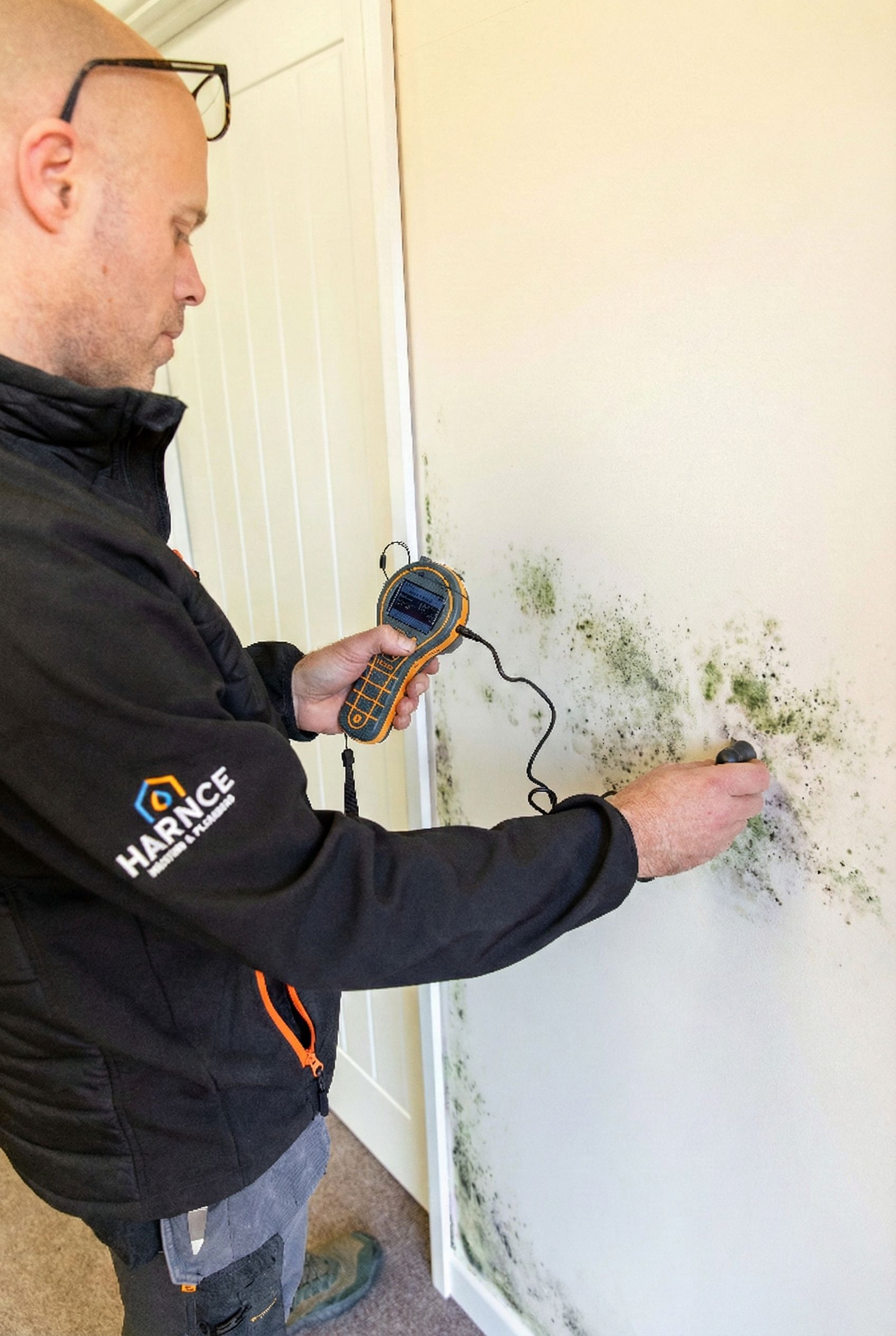
Mould, a pervasive issue in many households, typically originates in environments with high moisture levels. Alarmingly, it is estimated that more than a fifth of homes in the UK experience problems related to dampness, which often serve as the breeding grounds for mould.
From damp to humidity and condensation, addressing mould-causing issues is crucial in the fight against mould in UK homes. Understanding these key factors can help landlords prevent mould growth, ensuring a healthier living environment.
As we move into 2026, the legislative landscape is shifting rapidly to hold landlords accountable and protect the most vulnerable residents.
The Scale of the Crisis
The prevalence of damp and mould in England has reached a critical point. According to government data from the 2023-24 period, 1.3 million dwellings (approximately 5% of UK households) suffered from damp problems in at least one room.
The human cost of these statistics is particularly concerning:
- Children at Risk: Over one million children are currently living in damp households.
- The Elderly: Approximately 324,000 people aged 65 or older are affected.
- Economic Inequality: The crisis disproportionately hits lower-income families; nearly half of the children living in damp properties come from households with relatively low incomes.
The Health and Financial Burden
Living in a mould-infested environment isn't just uncomfortable - it's dangerous. Exposure to spores significantly increases the likelihood of:
- Respiratory illnesses and infections.
- Severe allergies and the development of asthma.
The strain on public services is equally immense. A report from the building research body BRE indicates that NHS England spends an estimated £1.4bn annually treating illnesses directly associated with cold or damp housing.
Awaab’s Law: A Turning Point in Legislation
The tragic death of Awaab Ishak, a toddler who died in 2020 due to a respiratory condition caused by prolonged mould exposure, served as a catalyst for legal change. In July 2023, the government passed Awaab’s Law to ensure no other family has to endure such a tragedy.
Strict Timelines for Social Landlords
Starting from 27th October 2025, social landlords in England must adhere to rigorous new standards, should a complaint be filed by a tenant:
Initial Inspection:
Must occur within
10 working days of a report.
Emergency Issues (gas leaks, broken boilers, or health-threatening mould): Must be addressed within 24 hours.
Repair/Make Safe: Must be completed within 5 working days post-inspection.
If these deadlines are missed, landlords are obliged to offer alternative accommodation. Failure to comply allows tenants to take legal action for breach of contract or seek redress through official complaints procedures.
The "Private Sector" Gap
While Awaab’s Law represents a massive leap forward for the social rented sector (council and housing association homes), a significant gap remains.
Currently, the 4.9 million households in England’s private rented sector are not yet covered by these mandatory timelines. While the government has signalled its intent to extend these protections to private renters, a firm date has yet to be established, but landlords are urged to still take action!
What Landlords Should Do Now
Addressing the root causes - humidity, condensation, and rising damp - is essential. Proactive maintenance not only protects the building's structural integrity but, more importantly, safeguards the lives of those living within its walls.
Sources: English Housing Survey (EHS) 2023-24; BBC: Why so many UK homes are still dangerously mouldy - years after this toddler died; Building Research Establishment (BRE): "The Cost of Poor Housing in England."
Tapping into Talent - Capture 24 Photography